Do Edgewater condo HOA fees feel like a mystery line on a spreadsheet? You are not alone. Whether you are buying for lifestyle or investment, understanding what you pay each month protects your budget and your peace of mind. In this guide, you will learn what HOA fees typically include, what drives costs higher or lower in Edgewater, and a simple way to compare buildings so you can avoid surprise assessments. Let’s dive in.
What Edgewater HOA fees cover
Your monthly HOA fee funds the building’s shared costs. Expect these major line items in most Edgewater high-rises:
- Reserves. Savings for big-ticket replacements like elevators, roofs, façade repairs, pool resurfacing, and major HVAC. Review the latest reserve study, current balance, and funding plan. Thin reserves often lead to special assessments.
- Property and master insurance. Coverage for the structure and common areas, plus liability. In Florida, insurer availability and premiums have been volatile, which can push fees higher or increase deductibles.
- Operations and maintenance. Staff wages and benefits for concierge, security, janitorial, and maintenance. Routine contracts for elevators, HVAC, pest control, landscaping, and repairs.
- Utilities. Water, sewer, trash, and common-area electricity. Some buildings include unit water or certain utilities, while others bill them separately. Always confirm inclusions.
- Amenities and services. Pools, fitness centers, spas, children’s areas, valet, and parking facilities add staffing, maintenance, and insurance costs.
- Management and professional fees. Association management, accounting, legal, audit or financial review, tax filing, and engineering or reserve study costs.
- Taxes and assessments. Certain common elements and special districts may be taxed or assessed and show up in the budget.
- Administrative and contingency. Supplies, postage, meeting costs, bank fees, and contingencies.
- Debt service. Loan payments if the association financed capital projects.
What drives fees up or down
Several building characteristics shape your monthly fee in Edgewater:
- Building age and condition. Newer towers may have fewer near-term repairs but often carry higher staffing and amenity costs. Older buildings can appear inexpensive if reserves are low, which can hide deferred maintenance and increase special assessment risk.
- Amenities and service level. Resort-style pools, full-service gyms, valet, and 24/7 staffed lobbies increase operating and insurance costs. Staffing is a major recurring expense.
- Size and economies of scale. Larger towers can spread fixed costs across more units, which may lower per-unit fees. Still, bigger systems like multiple elevators can raise total expenses. Boutique buildings have fewer owners to share costs, which can lift fees.
- Unit mix and use. A higher share of short-term or transient rentals can raise wear-and-tear and insurance risk, which can influence premiums and maintenance.
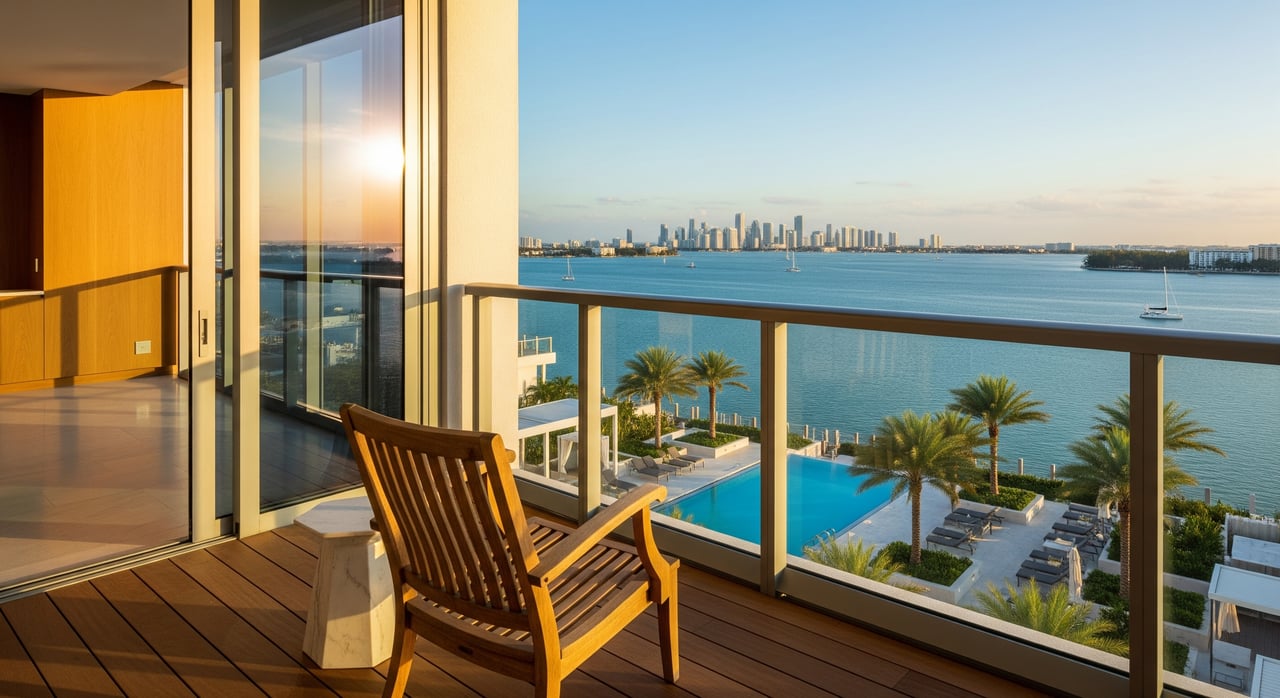
- Coastal exposure. Edgewater’s bayfront location means salt air and hurricanes. Corrosion, façade care, and storm preparation can increase long-term costs.
- Insurance market dynamics. Florida’s insurance market has experienced pressure, with premium swings that feed directly into HOA budgets.
Compare buildings in 3 steps
Use this framework to evaluate Edgewater options on equal footing.
Step 1: Collect the right documents
Request these items for each building you are seriously considering:
- Most recent association budget
- Audited or reviewed financials for the past 2–3 years
- Latest reserve study and current reserve funding plan
- Certificate of insurance or master policy summary
- Governing documents: Declaration/CC&Rs, Bylaws, Rules and Regulations, Articles
- Minutes for the last 6–12 months and the latest annual meeting
- Notices for upcoming meetings and vote history for major projects
- List of pending or recent special assessments
- Litigation disclosures
- Management contract and key vendor contracts
- Ownership profile or percentages if available, plus rental restriction summary
- Summary of recent capital projects and major repair invoices
Step 2: Run quick numbers
Create a simple scorecard:
- Reserve percent-funded. Lower percentages mean higher risk of future assessments.
- Insurance deductible size. A high master policy deductible can become an owner cost via special assessment after a loss.
- Special assessment history. Frequent or large assessments are a red flag.
- Operating versus capital split. Heavy operating spend with light capital allocations may indicate deferred maintenance.
- Fee inclusions. Note what your fee covers, such as water, internet, AC, parking, or valet, and what you must pay separately.
Step 3: Look closely and ask
Qualitative checks matter:
- Inspect common areas, façade, pool deck, and parking for signs of deferred maintenance.
- Note corrosion, peeling paint, ponding water, or elevator service issues.
- Evaluate board transparency through meeting minutes and responsiveness.
- Check the reputation and local experience of the management company.
- Ask about amenity usage and rules, which affect ongoing maintenance.
Use a simple comparison matrix
| Building | Monthly HOA fee | Utilities included | Reserve balance & percent-funded | Last reserve study date | Insurance deductible | Special assessment history | Amenities | Management co. | Notes |
|---|---|---|---|---|---|---|---|---|---|
| Tower A | |||||||||
| Tower B | |||||||||
| Tower C |
Insurance, reserves, and assessments
Two budget lines deserve extra attention in Edgewater. First, reserves. If reserves are underfunded relative to the reserve study, expect higher risk of special assessments for big projects. Second, insurance. Florida master policy premiums and deductibles can change quickly. A very large deductible shifts more risk to owners if the building suffers a covered loss. Always review policy limits, exclusions like windstorm or mold, and what the association covers inside individual units.
Many associations require unit owners to carry HO-6 policies for interior finishes, personal property, loss of use, and liability. Check the master policy and governing documents to understand what you need at the unit level.
Total cost vs HOA fee
Your HOA fee is only part of your monthly cost. To see your true number, add:
- HOA fee
- Utilities not covered by the association
- Unit-owner HO-6 insurance
- Any parking or valet charges not included
- Internet or cable if not included
This gives you a realistic comparison across buildings with different inclusions.
Edgewater buyer tips
- Verify reserve health before you fall in love with a view. A recent reserve study and a strong balance are positive signs.
- Ask directly about upcoming capital projects, insurance renewals, and any planned assessments.
- Understand how coastal exposure affects maintenance. Salt air and hurricane preparedness can drive long-term costs.
- For new or recently delivered towers, review early budgets and developer disclosures. New buildings can have lean initial budgets that change as the community stabilizes.
Local rules to know
- Florida Condominium Act (Chapter 718, Florida Statutes) outlines condominium governance, financial reporting, reserve requirements as defined by governing documents, and owner rights.
- Florida Department of Business and Professional Regulation, Division of Condominiums provides consumer guidance and can be a reference for governance issues.
- Miami-Dade County Building and Permitting and recertification programs set inspection and recertification schedules for structural, electrical, and safety compliance.
- Miami-Dade County Property Appraiser and Clerk of Courts help you verify ownership details, assessed values, and recorded liens or litigation.
- Florida Office of Insurance Regulation publishes market notices and trends that affect master insurance policy costs.
Work with a local advocate
Edgewater offers some of Miami’s best bayfront living, but every building’s budget tells a different story. If you want help requesting the right documents, interpreting reserve studies and insurance summaries, and comparing towers side by side, partner with a local advisor who does this every day. For curated listings, pre-construction access, and hands-on guidance, connect with Ana Chacon.
FAQs
What do Edgewater condo HOA fees usually include?
- They fund building operations, reserves for major repairs, master insurance, common-area utilities, management, amenities, and administrative costs. Exact inclusions vary by building budget and governing documents.
How can I spot low reserves before I buy a condo?
- Ask for the latest reserve study and current reserve balance, then look for a percent-funded figure or compare the balance to upcoming capital needs to gauge assessment risk.
Are special assessments common in Miami high-rises?
- They occur when reserves and operating funds cannot cover capital projects or large losses, which is more likely with deferred maintenance, low reserves, or higher insurance deductibles.
What insurance do I need beyond the building’s master policy?
- Many associations require an HO-6 policy to cover your unit interior, personal property, liability, and loss of use, since master policies focus on common elements and the building shell.
Do HOA fees cover flood or wind insurance for my unit?
- Windstorm may be part of the master policy, but exclusions and deductibles vary; flood insurance is separate and often not included, so verify coverage and consider additional policies.
What local issues should Edgewater buyers watch most closely?
- Coastal exposure, reserve strength, master insurance availability and deductible size, and upcoming county recertification or inspection timelines that can impact budgets and assessments.